Understanding the Risks of Working as a Temporary Worker in the UK
Navigating the world as a temporary worker comes with specific considerations for UK temps, from shift consistency to managing multiple agency relationships and understanding earnings.
usman ahmed
Updated 9 July 2026

Key takeaway
Proactive planning, clear communication, and leveraging technology to centralise your work information are crucial for a stable and successful temporary worker career.
Working as a temporary worker in the UK offers flexibility and variety, but it also comes with a unique set of operational realities compared to permanent employment. For those choosing this path, understanding potential challenges helps in managing expectations and career progression. This guide explores the common risks associated with temporary workers from the worker's perspective, focusing on areas like earnings stability, shift consistency, and professional development when working with various agencies and employers. Being aware of these points can help you make informed decisions and better manage your temporary work career.
Fluctuating Income and Shift Consistency
One of the primary risks for temporary workers is the potential for fluctuating income. Unlike salaried roles, your pay is directly tied to the shifts you secure and complete. While some agencies and employers offer consistent blocks of work, others might operate on a more ad-hoc basis. A shift cancellation at short notice, or a client reducing their staffing needs for a period, can directly impact your weekly earnings.
For example, if you've committed to a full week of shifts with an agency, and the employer cancels two days late on Friday afternoon, that immediate loss of income can be disruptive. Managing your finances requires careful planning and a buffer for these potential gaps. Using a platform that helps you track your earnings and shift history across different assignments can provide better visibility into your income patterns, helping you to budget more effectively.
Managing Multiple Agency Relationships
Many temporary workers choose to register with several recruitment agencies to maximise their opportunities for shifts. While this strategy can increase your chances of finding work, it also introduces complexities in managing those relationships. Each agency might have its own platform for shift offers, timesheet submission, and compliance document requests. This can lead to:
- Conflicting offers: Receiving multiple shift offers for the same day from different agencies.
- Varying processes: Navigating different timesheet approval flows or right-to-work evidence submission requirements.
- Communication overload: Juggling multiple contacts, emails, and notifications.
Effectively managing these relationships requires clear communication and organised record-keeping. A unified worker portal that centralises shift offers and personal documentation can significantly reduce this administrative burden, allowing you to focus on the work itself.
Limited Benefits and Job Security
Temporary roles often do not come with the same level of benefits or job security found in permanent positions. Standard benefits like paid sick leave, enhanced holiday pay beyond the statutory minimum, or company pension contributions above the auto-enrolment threshold may be less common or entirely absent. While you accrue statutory holiday pay, understanding how and when this is paid or rolled up is crucial.
Job security is also a key difference. Temporary contracts can be shorter-term, sometimes extending for weeks or months, but without the expectation of ongoing employment. This means that at the end of an assignment, there's no guarantee of immediate follow-on work. For temporary workers, it requires a proactive approach to identifying new opportunities and managing the transition between assignments.
Professional Development and Career Progression
For some, temporary work is a stepping stone to permanent roles or a way to gain experience across various sectors. However, a potential risk can be limited access to formal training or professional development opportunities. Employers might be less likely to invest in extensive training for short-term staff.
This doesn't mean career progression is impossible, but it often requires you to take more initiative. Actively seeking out varied assignments, learning new skills on the job, and maintaining a strong professional network are vital. Keeping clear records of your experience and achievements can build a strong professional profile. Youtemp helps you to track your career journey by consolidating your working history and earning transparently, which can be valuable when applying for future roles.
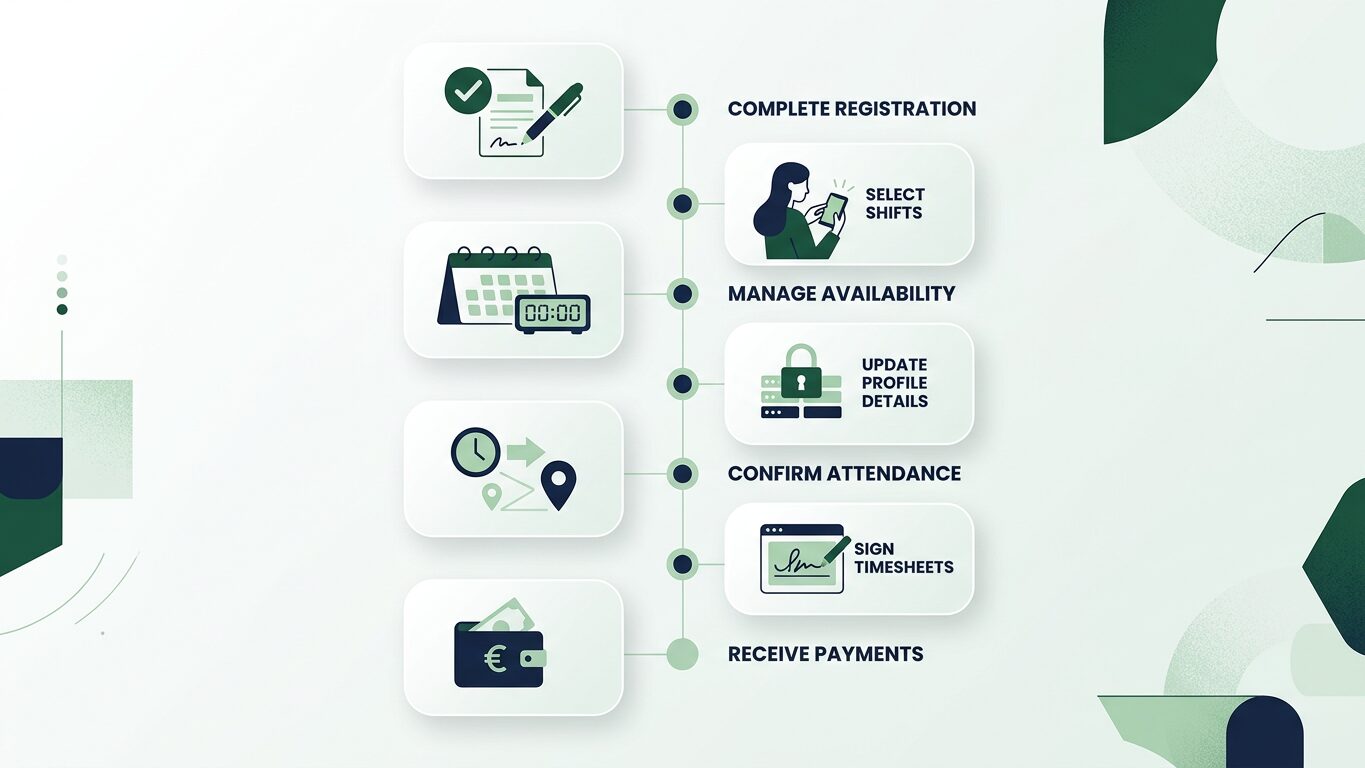
A practical checklist to help temporary workers navigate common challenges in the UK job market.
Checklist for Managing Temporary Worker Risks
To help mitigate some of the common risks, consider the following:
- Build a financial buffer: Aim to save an emergency fund to cover periods between assignments or during unexpected shift cancellations.
- Understand your contracts: Always clarify terms, pay rates, holiday pay accrual, and notice periods with each agency or employer.
- Centralise your job search: Use platforms that aggregate shift opportunities to streamline your shift discovery process.
- Maintain careful records: Keep copies of timesheets, pay slips, and assignment details for your own reference.
- Communicate proactively: Stay in regular contact with agencies, confirming your availability and seeking feedback.
- Invest in your own development: Identify short courses or online learning relevant to your field to enhance your skills and marketability.
- Network effectively: Build professional connections within industries you work in; these can lead to future opportunities.
Navigating Compliance and Right-to-Work Checks
While compliance and right-to-work checks are primarily the responsibility of the agency and employer, temporary workers play a crucial role in providing necessary documentation. Risks for workers can include delays in starting work if documents are not up-to-date or if the verification process is slow. Ensuring your documents (like passports, visas, or share codes) are current and readily accessible can smooth this process considerably.
For example, if an agency requests an updated right-to-work share code, providing it promptly prevents delays in payroll or shift confirmation. Workers should understand that agencies need to adhere to specific Home Office guidelines, and timely compliance on your part ensures you can access shifts without interruption. A system that allows you to upload and manage your compliance documents once, for use across multiple assignments, saves time and reduces potential friction.
Working as a temporary worker in the UK can be a rewarding career choice, offering unique flexibility and diverse experiences. By understanding and proactively managing the inherent risks, you can navigate the temporary work landscape more effectively. Being organised with your finances, actively managing your agency relationships through a solid schedule management tool, and taking ownership of your professional development are key steps to a successful temporary career.
Ready to streamline your temporary work experience and gain better visibility into your shift schedule and earnings? Join the Youtemp waitlist to discover how our platform can support your temporary work journey.
Ready to gain more control over your temporary work?
Join the Youtemp waitlist to explore tools designed to help manage your shifts, earnings, and agency communication in one place.