Employment Rights Act 2025: Why Agencies Need Better Shift Data Now
The upcoming Employment Rights Act 2025 will introduce new worker protections, making robust data and workflow management crucial for temporary staffing agencies.
usman ahmed
Key takeaway
Proactive investment in robust, integrated staffing software now will convert potential compliance headaches under the Employment Rights Act 2025 into opportunities for enhanced operational efficiency and accuracy.
The Employment Rights Act 2025 is set to bring substantial changes to worker protections across the UK, with a particular impact on temporary staffing. While the Act is expected to be implemented in phases, with key provisions likely taking effect in 2027, forward-thinking recruitment agencies are already assessing their operational readiness. The biggest risk for agencies is not only the new rights themselves — it is not having the data, workflows and audit trail to manage them effectively. Agencies need to move beyond fragmented systems and disparate data to ensure compliance and maintain efficient service delivery.
The Act is poised to introduce new rights for agency workers, potentially including greater clarity on working hours, compensation for cancelled shifts, and more robust avenues for challenging unfair treatment. For temporary staffing agencies, this means a heightened need for accurate, accessible, and auditable records relating to every shift, every worker, and every interaction. Without a consolidated view of operations, managing these granular requirements will become a significant administrative burden and a substantial compliance risk.
Understanding the Upcoming Changes for Agency Workers
While the specific details of the Employment Rights Act 2025 are still subject to finalisation and parliamentary processes, the broad direction of travel is clear: increased protection and transparency for all workers, including those engaged on a temporary or flexible basis. For recruitment agencies, this means preparing for potential impacts on how shifts are offered, accepted, cancelled, and compensated. Anticipated areas include:
- Clearer Terms for Engagement: Greater emphasis on providing clear, standardised information about assignments, pay, and working conditions upfront.
- Right to Reasonable Notice for Shift Changes and Cancellations: This could require agencies to provide specific notice periods for cancelling shifts or making significant changes, with potential compensation implications if not met.
- Protection Against Unfair Treatment: Strengthening of existing frameworks to ensure agency workers have avenues to address concerns without fear of reprisal.
- Enhanced Information Rights: Workers may gain additional rights to request information about their employment terms and conditions.
Preparing for these changes involves more than just policy updates; it requires a deep dive into an agency's operational practices and the tools used to manage them. The ability to demonstrate adherence to new regulations will hinge on having verifiable data and processes.
The Critical Role of Shift Visibility
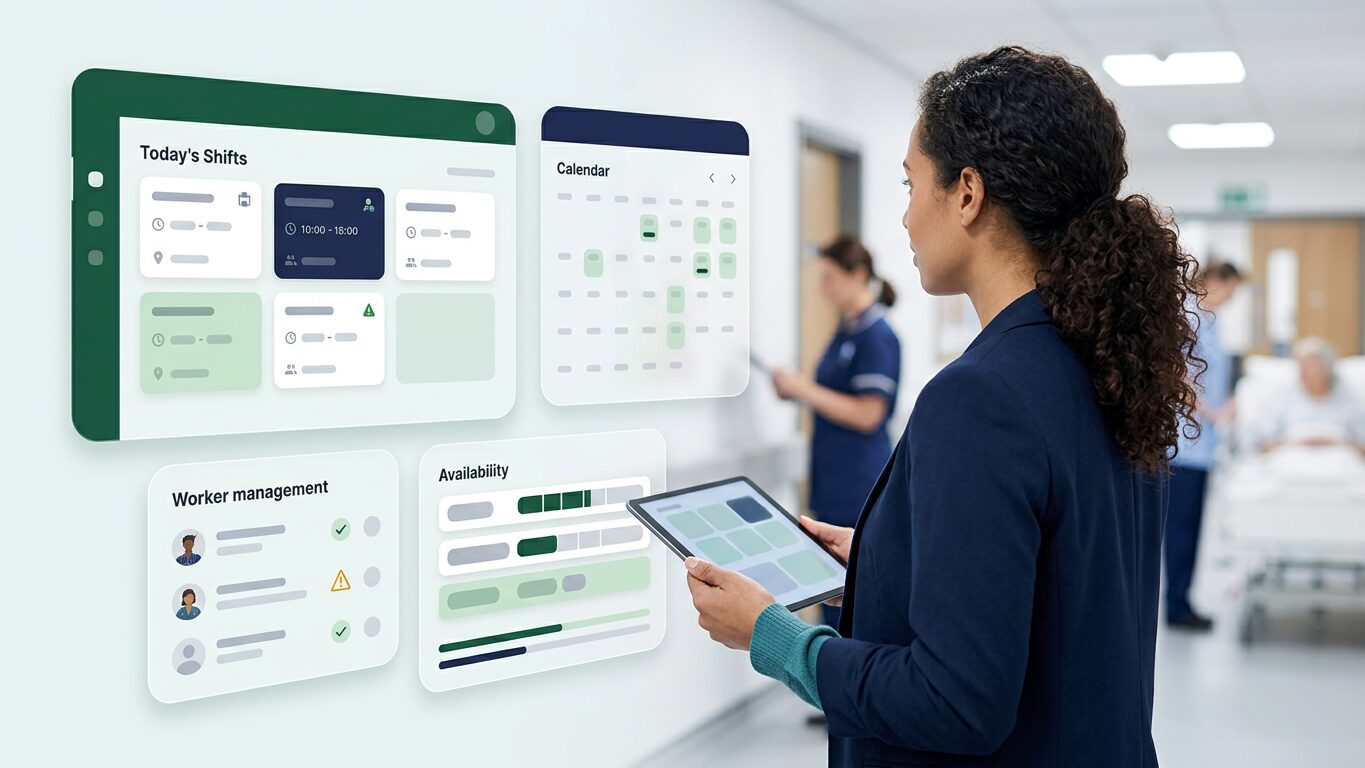
One of the most significant operational challenges agencies face in light of the new Act is achieving comprehensive shift visibility. Imagine facing a dispute over a cancelled shift without an indisputable record of when the shift was offered, when it was accepted, when it was cancelled, and by whom. Fragmented communication via email, phone, and messaging apps makes creating this audit trail nearly impossible.
Modern temporary staffing software provides a central platform where all shift-related activities are logged and accessible. This includes:
- Shift Publication and Acceptance: Clear records of when shifts are posted and when workers confirm their availability and acceptance.
- Real-time Updates: Instant logging of any changes or cancellations to shifts.
- Communication Trails: Documentation of messages and notifications sent to workers regarding their assignments.
- Worker Engagement: Insight into worker response times and reasons for accepting or declining shifts.
Having this level of detail ensures that agencies can proactively manage potential issues and respond to queries with accurate information, significantly reducing compliance risk.
Data Requirements for Compliance and Payroll
The Employment Rights Act 2025 will likely amplify the existing need for precise data management, especially concerning timesheets and payroll. Agencies are already responsible for accurate payment, but new provisions around cancelled shifts or guaranteed hours could add layers of complexity.
Effective worker management tools within a staffing platform allow agencies to:
- Automate Timesheet Collection: Workers can submit timesheets directly via a portal, reducing manual entry errors.
- Streamline Approvals: Employers can approve timesheets quickly, ensuring timely and accurate payment processing.
- Track Non-Worked Hours: Record and categorise hours related to cancelled shifts or specific entitlements, ensuring correct compensation aligned with new guidelines.
- Generate Comprehensive Reports: Produce detailed reports on worker hours, pay rates, and any supplementary payments, which are vital for internal audits and external compliance checks.
Without robust data management, agencies risk administrative overhead, payroll discrepancies, and potential legal challenges under the new Act.
Preparing Your Agency Operations for 2027
Proactive preparation is key to navigating the Employment Rights Act 2025 successfully. Agencies should start by reviewing their current operational workflows and identifying areas of potential exposure. This isn't just about avoiding penalties; it's about building more resilient, transparent, and efficient operations for the future.
Here's a practical checklist for agencies:
- Audit Current Data Collection: Assess how shift offers, acceptances, changes, and cancellations are currently recorded. Are these records centralised and easily auditable?
- Review Communication Protocols: Standardise how critical information about assignments is communicated to workers and employers. Is there a digital trail for every significant interaction?
- Evaluate Timesheet and Payroll Systems: Ensure your systems can handle nuances like compensation for cancelled shifts, varying notice periods, and detailed reporting.
- Assess Worker Portal Functionality: Consider if your existing worker portal (or lack thereof) provides sufficient transparency and self-service options for temps to view their schedules, earnings, and rights.
- Investigate Shift Matching Capabilities: Look for solutions that not only match workers to shifts but also track worker availability and preferences, which may become more critical under flexible working provisions. See how integrated shift matching can help your agency.
- Engage with Legal Counsel: Stay informed about the evolving legislative landscape and seek expert advice on specific compliance requirements.
The Benefits of a Connected Operational Workflow
Implementing a connected workflow through dedicated temporary staffing software offers far more than just compliance. It brings significant operational advantages that enhance service delivery and agency profitability. By centralising data and automating processes, agencies can:
- Improve Fill Rates: Faster, more accurate shift matching leads to fewer unfilled shifts.
- Reduce Administrative Burden: Automating tasks like timesheet collection and payroll preparation frees up desk staff for higher-value activities.
- Enhance Worker and Employer Satisfaction: Clear communication, accurate payments, and transparent processes build trust and loyalty.
- Gain Operational Insight: Real-time dashboards and reporting offer a clear view of performance, enabling data-driven decision-making.
Ultimately, an integrated platform provides the essential operational visibility needed to thrive in a more regulated environment, turning compliance challenges into opportunities for efficiency and growth.
If your agency is looking to address the upcoming requirements of the Employment Rights Act 2025 by improving shift visibility and operational data management, a demonstration of Youtemp could help you understand its capabilities. Explore how Youtemp can support your agency's evolving compliance and efficiency needs.
Practical checklist
- Audit current data collection for shift activities.
- Review and standardise communication protocols with workers and employers.
- Evaluate timesheet and payroll systems for handling new complexities.
- Assess worker portal functionality for transparency and self-service.
- Investigate shift matching capabilities for compliance and efficiency.
- Engage with legal counsel to stay updated on legislative changes.
Prepare Your Agency for Future Compliance
See how Youtemp can help your agency gain the shift visibility and data management required to meet evolving regulatory needs.