Mitigating Temporary Staffing No-Shows for UK Operations
Reducing no-shows in temporary staffing operations requires a structured approach to communication, clear expectations, and effective worker engagement.
usman ahmed
Key takeaway
Proactive communication, rigorous vetting, and efficient shift-matching, supported by technology, are essential for significantly reducing temporary staffing no-shows.
Temporary staffing operations, whether you are an agency filling shifts or an employer needing cover, frequently encounter the challenge of no-shows. When a temporary worker does not arrive for a scheduled shift, it creates immediate operational disruption, impacts service delivery, and can strain client relationships. This guide explores practical strategies for reducing no-shows, focusing on preventative measures and responsive actions that can be integrated into your existing workflows to ensure smoother shift fulfilment and maintain operational stability.
Understanding the Impact of No-Shows
Beyond the immediate gap in staffing, temporary worker no-shows carry a range of consequences. For agencies, this can mean scrambling to find last-minute replacements, potentially offering higher rates, and risking damage to their reputation with employers. Repeated no-shows can lead to a decrease in fill rates and make it challenging to maintain consistent service levels. For employers, the direct impact is felt through reduced productivity, uncompleted tasks, and a potential decline in customer satisfaction. In some sectors, like healthcare or social care, a no-show can have critical implications for patient or resident safety. Understanding these wider impacts underscores the importance of proactive no-show mitigation strategies.
Proactive Communication and Confirmation
Effective communication is perhaps the most critical factor in preventing no-shows. Begin by establishing clear communication channels and setting expectations from the outset. For agencies, ensuring workers fully understand their shift details – including time, location, tasks, and site contacts – is paramount. This clarity begins during the shift offer and booking process. For employers, reinforcing these details directly with the worker upon arrival for their first shift can be beneficial.
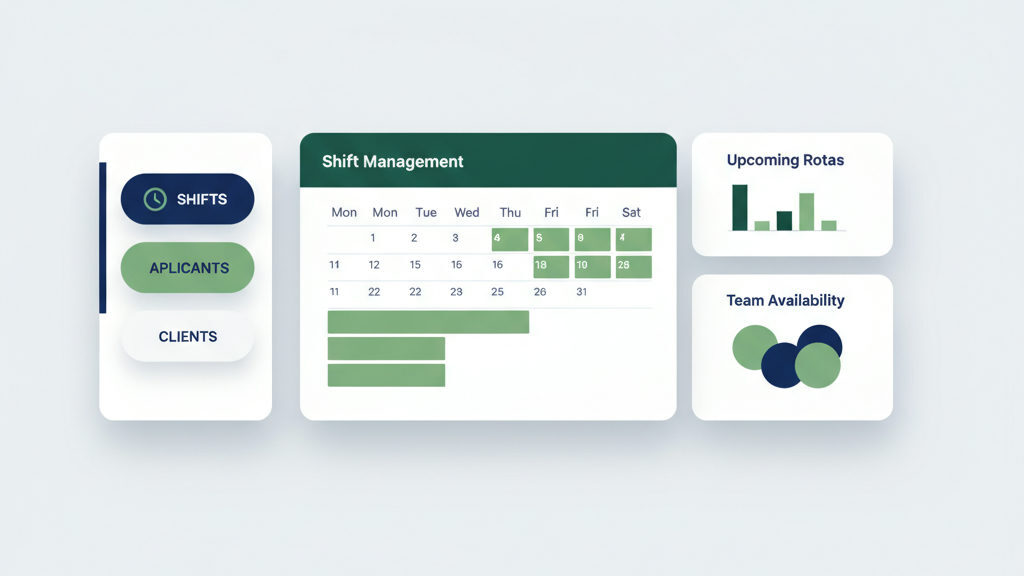
Consider implementing an automated system for shift confirmations. Sending automated reminders 24-48 hours before a shift via SMS or a worker portal can significantly reduce instances of forgotten shifts. This also provides an opportunity for workers to confirm their attendance or flag any issues in advance. Youtemp offers features that facilitate this by allowing workers to manage their availability and confirm shifts directly through a dedicated worker portal.
Vetting and Worker Engagement Strategies
The quality of your temporary worker pool directly influences no-show rates. For agencies, a rigorous vetting process that includes checking references and verifying past work history can help identify reliable candidates. Beyond initial vetting, ongoing worker engagement is key. Building a positive relationship with your temporary workforce can foster loyalty and encourage better attendance.
This involves:
- Clear expectations: Communicate policies around attendance, lateness, and no-shows clearly during onboarding.
- Feedback loops: Provide a mechanism for workers to offer feedback or raise concerns. Addressing issues proactively can prevent disengagement.
- Recognition: Acknowledging consistent, reliable performance can motivate workers to maintain their commitment.
- Fair scheduling: Distribute shifts equitably and avoid last-minute changes where possible, which can impact worker reliability.
Employers also benefit from engaging properly with temporary staff. Treating temporary workers as valued members of the team, even for short-term placements, can improve their commitment to reliable attendance.
Optimising Shift Matching and Availability
Matching the right worker to the right shift is more than just skills; it also involves alignment with their stated availability and preferences. Poorly matched shifts or those assigned without considering a worker's up-to-date availability increase the likelihood of a no-show. Agencies can significantly improve this by using tools that allow temporary workers to actively manage and update their availability. When workers have agency over their schedule, they are more likely to commit to shifts they've accepted.
Implementing a system where agency desks can efficiently match worker availability with client shift requirements can improve fill rates and reduce no-shows. Youtemp's shift matching features are designed to connect agencies with available and suitable workers, reducing manual effort and potential scheduling conflicts. Employers can also contribute by providing comprehensive shift details, allowing agencies to make the best possible matches.
Practical Checklist for Reducing No-Shows
Here’s a checklist to help integrate no-show mitigation into your operations:
- Confirm all shift details in writing: Ensure workers have explicit confirmation of time, date, location, and tasks.
- Implement automated reminders: Send SMS or app notifications 24-48 hours before a shift.
- Review worker vetting processes: Strengthen checks for reliability and past attendance.
- Establish clear cancellation policies: Communicate consequences for no-shows or late cancellations.
- Maintain an up-to-date worker availability system: Empower workers to manage their own availability.
- Foster positive worker relationships: Encourage engagement and address worker concerns promptly.
- Evaluate shift allocation logic: Ensure shifts are matched not just by skill, but also by worker preference and historical reliability.
- Have a rapid response plan: Develop a protocol for when a no-show does occur, including backup worker lists.
Responsive Strategies for No-Show Incidents
Despite preventative measures, no-shows will occasionally happen. Having a clear, rapid response strategy is crucial to minimise disruption. Agencies should have a pre-defined list of backup workers for common roles or high-priority shifts. Utilising a system that allows for quick identification of available workers for immediate deployment can be invaluable.
For employers, communicating quickly with their agency once a no-show is identified is the first step. Internally, have contingency plans for critical tasks, cross-training staff where possible, or clearly defined procedures for escalating staffing gaps. Both agencies and employers should review no-show incidents to understand patterns or common causes, which can then inform further preventative actions.
Leveraging Technology for Better Operational Visibility
Modern temporary staffing software plays a significant role in mitigating no-shows by enhancing operational visibility across the entire workflow. By providing tools for agencies to manage their worker pools, track availability, automate shift offers and confirmations, and centralise communication, the administrative overhead associated with shift fulfilment is reduced. This allows agency desks to focus more on proactive engagement and less on reactive firefighting. For employers, the ability to see booking statuses and worker confirmations in real-time offers peace of mind and allows for quicker identification of potential issues.
Streamline Your Temporary Staffing Operations
Explore how Youtemp can help you reduce no-shows and improve shift management efficiency. Join our waitlist to be first in line for platform updates and access.